Event networking ideas that work: 9 ways organisers help people meet
Nine practical event networking ideas for organisers: share who's coming, ask-and-offer boards, hosted introductions and quiet corners for introverts.
 The Fizvizz team
· 3 min read
Ask people why they came to an event, and "to meet people" is near the top of every list. Ask them afterwards whether they met the right people, and the answer is often "a few, by luck".
Networking doesn't have to be luck. Organisers can't make conversations happen, but they can make the right ones much more likely. Here are nine ideas that work, from small changes to the room to what happens after it.
1. Tell people who is coming
The hardest part of networking is not knowing who to look for. When attendees can see who else is attending, before and during the event, they arrive with a short list instead of hoping to bump into someone.
Respect privacy: let people choose what they share, and show names, roles and companies rather than contact details.
2. Ask what people are looking for, before the day
A single question at registration changes the event: "What are you hoping to find here?" A co-founder, a supplier, a first job, advice on a specific problem.
Collect it as part of joining, alongside what each person can offer. It gives you, and other attendees, the raw material for useful introductions.
3. Run a "looking for" board
Turn those answers into a board people can browse and add to. Someone posts "looking for a designer who has built KYC flows", and others in the room recommend a person they know, or answer themselves.
It works because asking a whole room is easier than walking up to a stranger, and helping is easier than pitching.
4. Recruit connectors, not just volunteers
Every community has a few people who know everyone. Ask them to host: greet newcomers, and make two or three introductions an hour. A warm "you two should talk, you're both working on payments in Lagos" beats any icebreaker game.
Brief your connectors on the "looking for" answers so their introductions are well aimed.
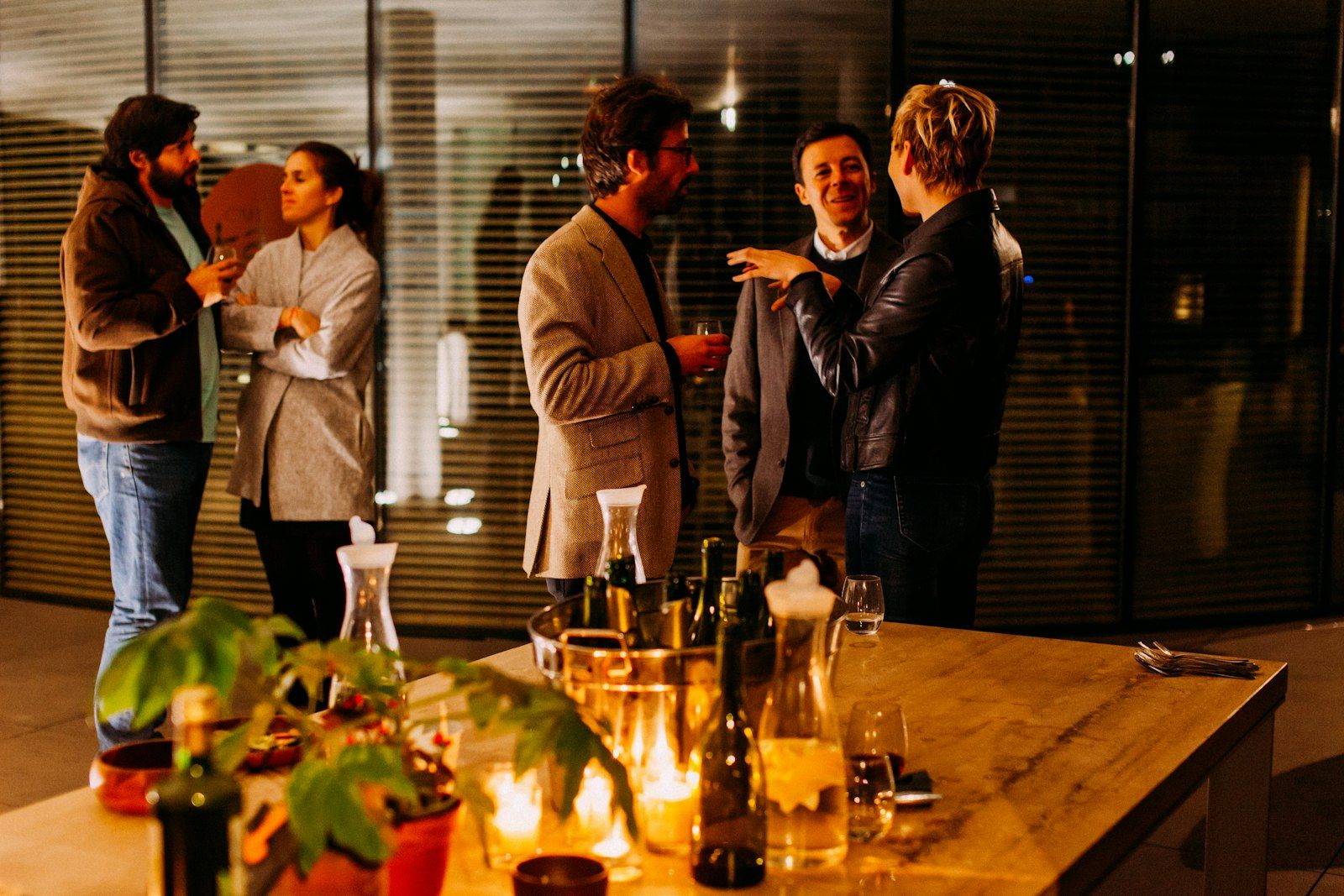
5. Design the room for conversation
Space shapes behaviour. A few changes make a big difference:
- Standing tables instead of rows of chairs during breaks.
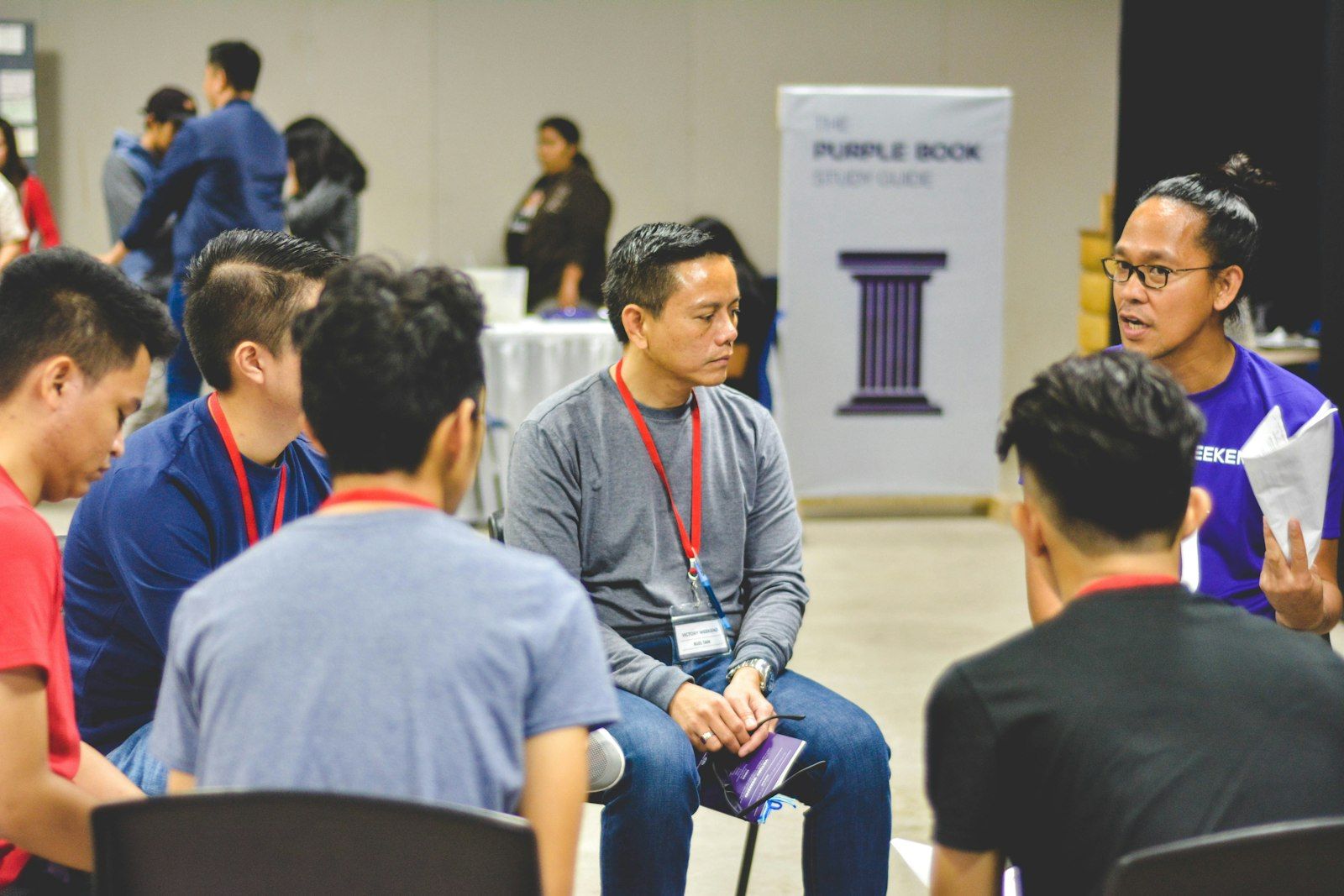
- Smaller circles: groups of four to six talk; groups of fifteen listen to one person.
- Music low enough to talk over without shouting.
- Food in several places, so the room doesn't pack into one corner.
6. Make swapping details effortless
The moment after a good conversation is where connections are lost. Fumbling for a pen, spelling an email address, "I'll find you on LinkedIn"... and they never do.
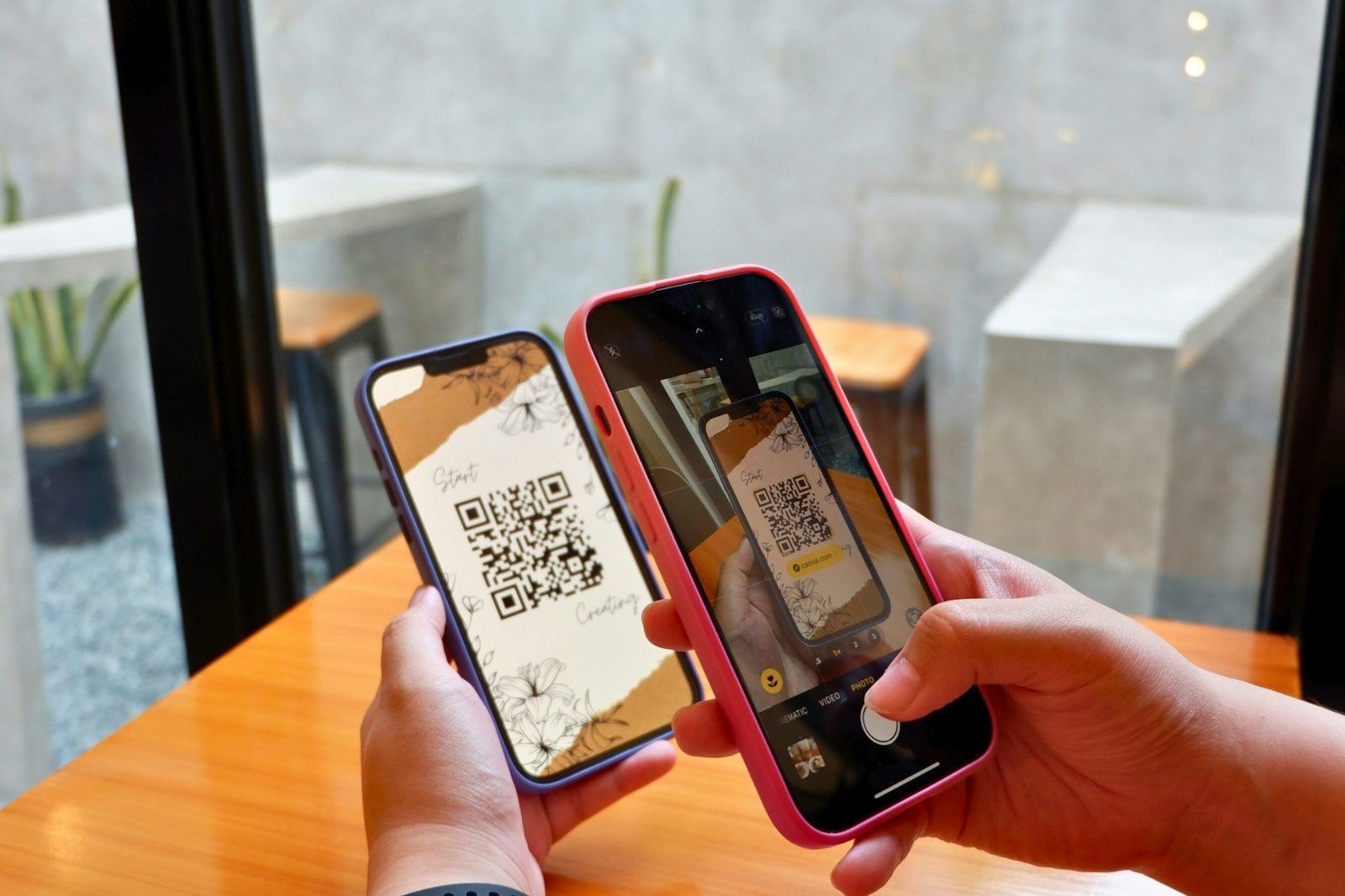
Digital cards shared by QR code, a link or a tap of an NFC card make it a two-second step. The best versions only connect people when both agree, and record where they met, so the follow-up email writes itself.
7. Give introverts a way in
Not everyone recharges in a crowd. Plan for them:
- A quiet corner with seating, away from the speakers.
- Structured small groups around a topic, so there's always something to talk about.
- Online first: a post or a "looking for" request lets someone start a conversation before facing the room.
We have more ideas in 10 stress-free networking strategies for introverts.
8. Turn exhibitors into connectors
At expos and conferences with stands, exhibitors are among the most motivated networkers in the room. Help visitors find the right booths, with an exhibitor list they can search, and let exhibitors see who visited so they can say hello afterwards.
A visitor who gets a friendly follow-up from a booth they stopped at is much more likely to come back next year.
9. Keep the conversation going after the event
Most of the value of a connection comes after the event, when people actually work together. Keep the event's group open for a few weeks, or for good. Post the slides, ask people to share what they're working on, and let the "looking for" board keep running.
For more, see how to keep your event community alive after the last session.
Measuring it, simply
You don't need a dashboard to know whether networking worked. Ask attendees one question afterwards: "Did you meet someone you'll follow up with?" Track the answer from event to event, and try one new idea from this list each time.
How Fizvizz helps
Fizvizz is built around these ideas. Attendees ask the event for what they need with Looking For: members recommend people, vouch for answers, and mark the one that helped. Asks and offers let people say what they need and can give, and you can require member details such as goals, asks and offers before people join in. When two people want to talk, either one taps Schedule on the other's profile, picks a time, and once it's accepted they both add it to Apple, Google or Outlook calendar.
Digital and NFC cards are swapped only when both people accept, with where they met. Signals send a quick thank-you or hello. At expos, visitors browse exhibitors and booth numbers, and exhibitors see who visited. And one switch keeps the event's group open after it ends.
See Fizvizz for attendees and for organisers.