How to keep your event community alive after the last session
Your event ends, your community doesn't: how to keep attendees talking after the day, from the first week's posts to the next meetup.
 The Fizvizz team
· 3 min read
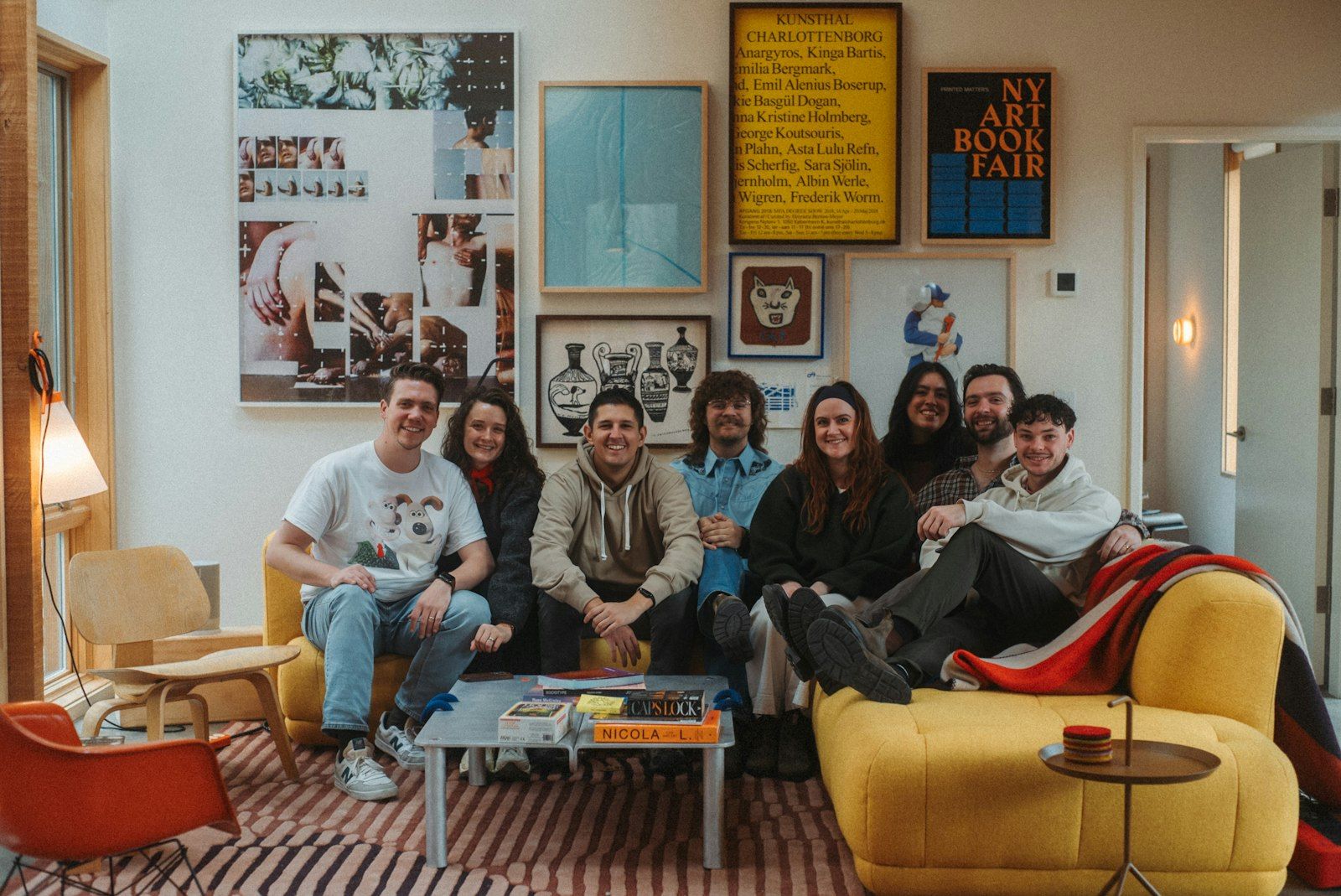
On the last afternoon of a good event, people swap cards, promise to stay in touch, and mean it. A month later, most of those promises have gone quiet. Not because people didn't care, but because there was nowhere to carry on.
That quiet is the biggest missed opportunity in events. The people you brought together are your most valuable asset as an organiser, and keeping them connected costs far less than finding them again next year.
Here is how to keep the community going after the last session.
Decide before the event, not after
The most common reason post-event communities fail is that nobody planned one. The group closes, the attendee list sits in a spreadsheet, and the conversation scatters across a dozen private chats.
Decide early that the event's group will stay open, and tell attendees on the day: "This group stays open after we finish. Post your slides, your questions and your intros here." People will use a space they know is there.
The first 48 hours
Momentum fades fast, so the two days after the event matter most.
- Say thank you in a post, and name the speakers, volunteers and sponsors.
- Share what people asked for: slides, recordings, photos, links mentioned on stage.
- Ask one easy question, such as "What's one thing you're taking back to work?" Easy questions get answers, and answers bring people back.
Week one: help people find each other again
Many attendees met someone interesting but didn't get their details. Help them close the loop:
- Invite everyone to introduce themselves in one line: who they are and what they're working on.
- Keep a "looking for" thread or board running, so people can ask the group for a contact, a tool or advice.
- Encourage thank-you posts. Thanking a speaker or someone who helped is one of the friendliest things a group can see.
Give it a rhythm
A group with no rhythm drifts. It doesn't need to be busy, just regular:
- A monthly thread around one question, or an "ask the community" day.
- A short recap when something relevant happens in your field.
- The date of the next event or meetup, as early as you know it.
Rhythm matters more than volume. A post a week that people expect beats a burst of ten and then silence.
Share the work
You can't be the only person posting forever. Give the job to more people:
- Invite a few active members to be moderators, with the powers to keep things tidy.
- Use post review in the early days if you're worried about spam, then relax it as the group finds its tone.
- Spot members who answer questions well, and thank them in public. People repeat what gets noticed.
Know when it's working
You don't need complicated numbers. Watch for two signs:
- Members reply to each other, not only to you.
- New posts start without you, such as a question, an intro or a job post.
When both happen, you have a community, not a mailing list.
Turn the group into the next event
A living group is the best launchpad for the next event. Ask the group what they'd like to see, invite the most engaged members first, and recruit next year's speakers from the people already sharing their work. Running regular meetups? See how to run a meetup community.
How Fizvizz helps
In Fizvizz, one switch keeps an event open after it ends. Posts, polls, introductions and Looking For requests carry on in the same group. You choose roles for admins, organisers and moderators, and can review posts before they go live. Members schedule meetings with each other, straight into their calendars. Signals let members send a quick thank-you, and Looking For lets them ask the group for help and mark the answer that helped.
Your event ends. Your community doesn't. See Fizvizz for organisers, or book a meeting.