Trade show networking: how organisers help exhibitors and visitors meet
A practical guide to trade show networking for organisers: what to set up before, during and after an expo so exhibitors and visitors meet the right people.
 The Fizvizz team
· 5 min read
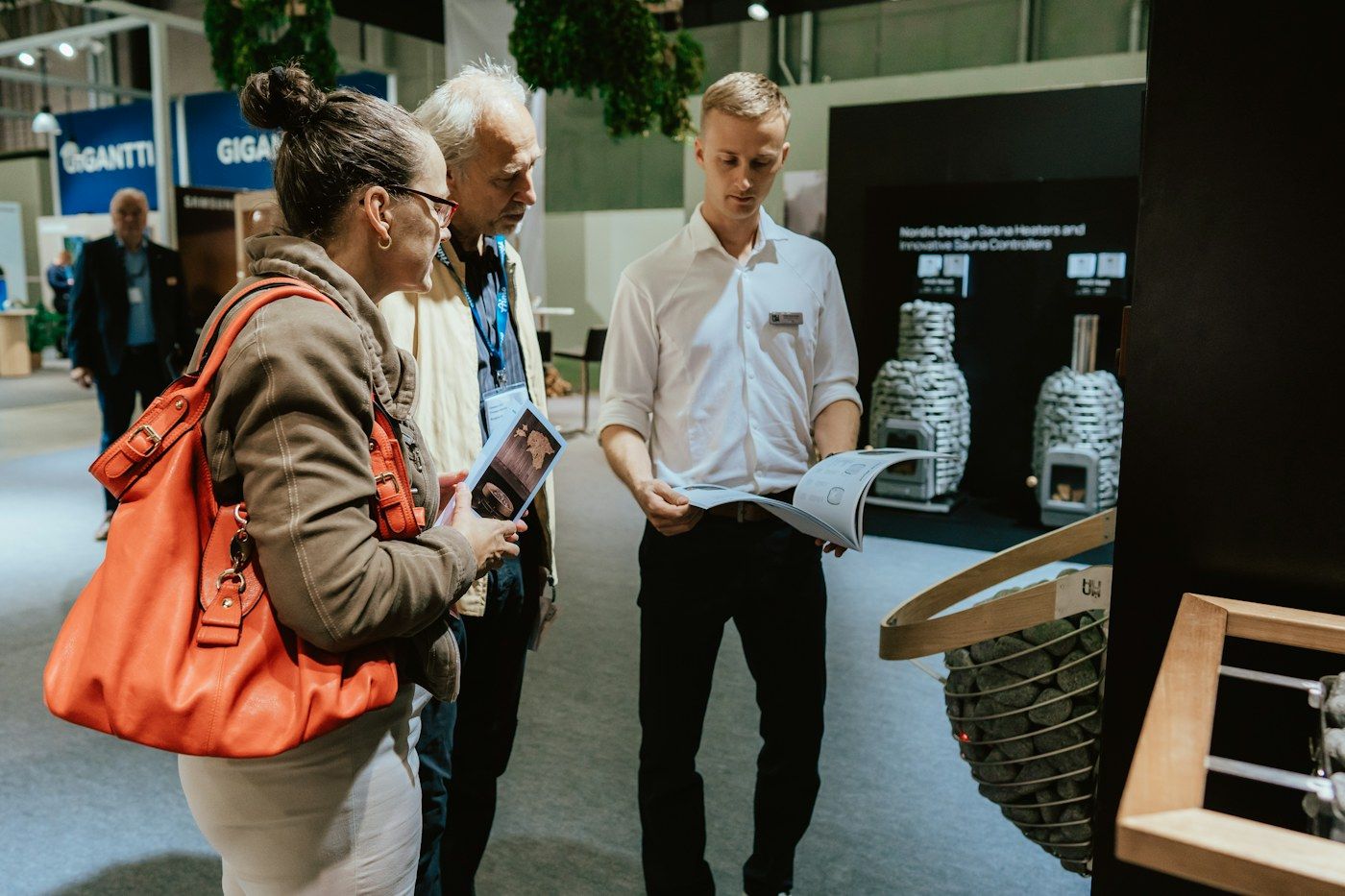
People do not come to a trade show for the carpet. Visitors come to find a supplier, a partner or an answer. Exhibitors come to meet the buyers who make the stand worth its price. Both sides are there to meet someone, and most of them leave having met whoever happened to walk past.
Trade show networking does not have to depend on luck. As the organiser, you decide what people know before they arrive, how easy the floor is to read, and what happens to a good conversation after the hall closes. This guide goes through all three.
Why trade show networking is different
A conference has one kind of attendee. A trade show has two, and they want different things.
- Visitors are short of time. They have a day, sometimes an afternoon, and hundreds of stands. They need to know which ten are worth the walk.
- Exhibitors are fixed to one spot. They cannot go looking. They depend on the right people finding them, and on recognising those people when they arrive.
- The floor is big. Two people who should talk can spend eight hours forty metres apart and never meet.
Good expo networking closes those three gaps: it tells visitors where to go, tells exhibitors who is coming, and gives both a time and a place.
Before the show: expo networking starts at registration
The work that matters most happens before anyone prints a badge.
1. Ask visitors what they are looking for
Add one question to registration: "What are you hoping to find at the show?" A packaging supplier, a distributor for the Gulf, a replacement for a machine that is ten years old. A job title tells you who someone is. This tells you why they are coming, and that is what an introduction needs.
2. Ask exhibitors what they offer, in plain words
Exhibitor profiles are usually written by marketing: "end-to-end solutions for a connected future". Ask instead for three plain lines on what the company sells and who it is for. Plain words are what a visitor searches for, and what matching can use.
3. Publish the exhibitor list early
Visitors plan their route the evening before. Give them an exhibitor list they can search on a phone, with booth numbers, at least a week ahead. An exhibitor who cannot be found before the show will be found by accident, or not at all.
4. Let people book meetings ahead
The most valuable conversations at a trade show are the ones in the calendar before the doors open. Let visitors and exhibitors ask each other for a meeting, with a time, a length and a place. Fifteen or thirty minutes is enough. A meeting that sits in both people's own calendars, with a reminder, is one that happens.
5. Brief exhibitors as hosts
Send exhibitors a short note two weeks out: complete your page, add your whole stand team, and look at who has asked to meet you. The salesperson who booked the stand is rarely the only person working it, and visitors want to know who they will be talking to.
During the show: exhibition networking on the floor
On the day, your job is to make the floor readable and to give conversations somewhere to happen.
6. Make every stand easy to find
A hall letter and a number ("A14") beats a long running number. Put the same numbers on the signs, in the exhibitor list and on the floor plan. Every minute a visitor spends lost is a minute they are not at a stand.
7. Record booth visits with one scan
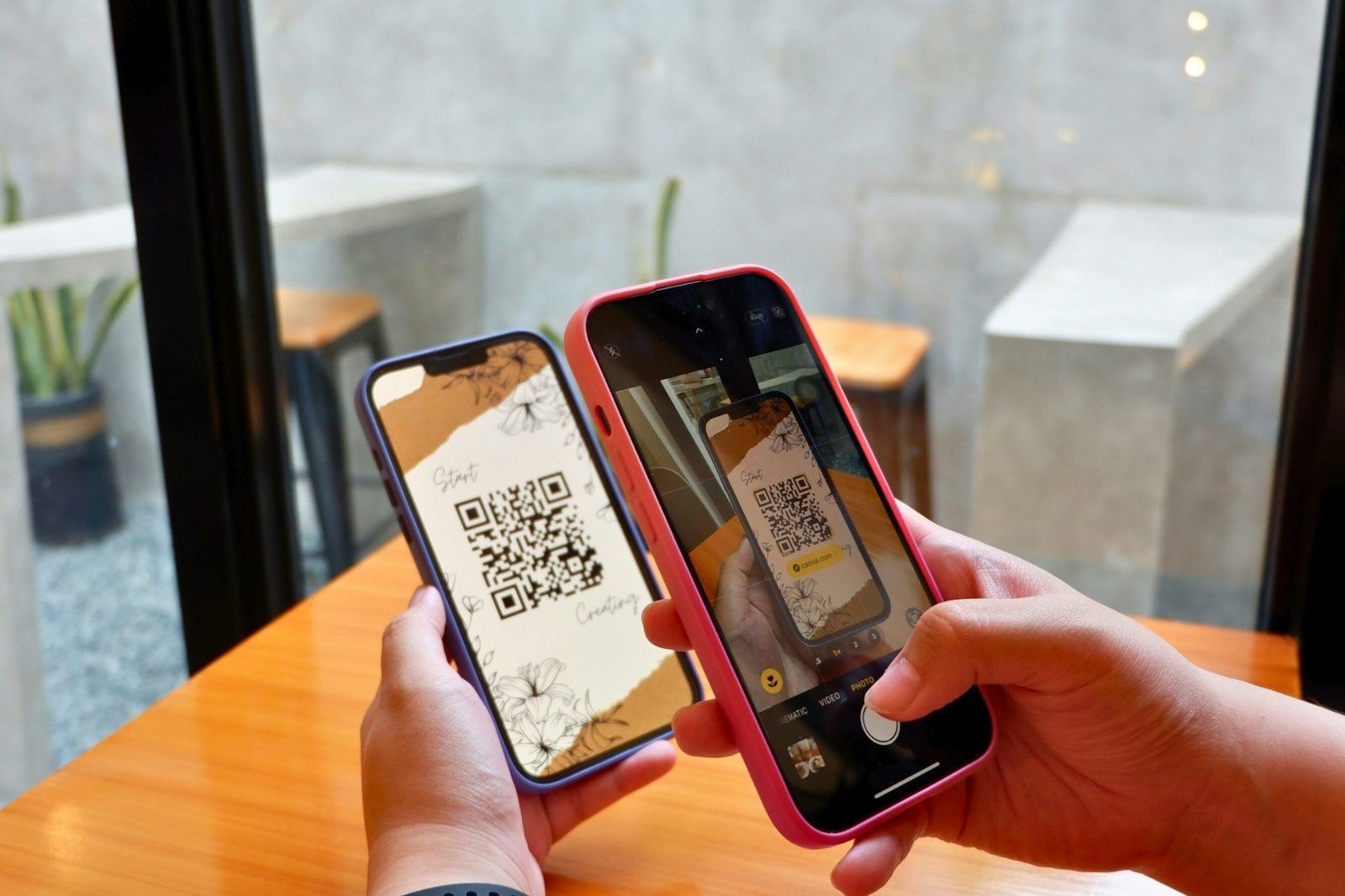
The bowl of business cards is where leads go to be forgotten. Put a QR on each stand that a visitor scans to record their visit. The exhibitor gets a name, a job title and a time. The visitor gets a record of where they have been. Nobody types anything.
8. Give meetings a place
Stands are noisy, and a serious conversation needs a table. Set aside a meeting area with numbered tables, close to the floor and not hidden in a corridor. Booked meetings then have somewhere to go that is not the middle of an aisle.
9. Run short, structured sessions
An evening reception helps the confident. Structure helps everyone else. Try:
- Buyer and seller rounds by theme: thirty minutes, small tables, a bell every five.
- Guided walks of one aisle or one product area, led by someone who knows the exhibitors.
- A first-timers' breakfast for visitors and exhibitors who are new to the show.
10. Give visitors a way to ask the whole show
Some needs do not fit a search box. A "looking for" board, on a wall or in your event app, lets a visitor post "looking for a cold-chain logistics partner for East Africa" and lets everyone else point to the right stand. Asking a whole hall is easier than walking up to forty exhibitors.
11. Look after the quiet aisles
Traffic at a trade show is uneven. Walk the floor twice a day, notice which aisles are thin, and send people there: a coffee point, a session, a stamp trail that passes those stands. An exhibitor who had a quiet show does not come back.
After the show: where event networking for expos pays off
The hall closes, and the follow-up decides whether the show was worth it.
12. Give exhibitors their visitors quickly
Exhibitors need to know who came to their stand while the conversation is still fresh: names, job titles and when they visited. A list that arrives three weeks later is a list of people who have forgotten the stand.
13. Protect visitors while you do it
Visitors did not sign up to be emailed by every exhibitor in the hall. Share contact details only when a visitor has chosen to, for example by swapping cards with an exhibitor. Give exhibitors a way to say hello that the visitor can ignore. A show that visitors trust is one they return to.
14. Keep the show open
Keep the event's group open after the last day. Exhibitors can post what they launched, visitors can ask the question they forgot, and you have a room to announce next year's dates in. Our guide on how to keep your event community alive has more.
15. Measure it with two questions
You do not need a dashboard. Ask exhibitors: "How many conversations will you follow up?" Ask visitors: "Did you find what you came for?" Compare the answers from one edition to the next, and next to booth visits and meetings booked.
Mistakes worth avoiding
- Leaving networking to the reception. The people who most need introductions are the least likely to walk up to a stranger with a drink in their hand.
- Matching on job titles alone. Two procurement managers have less to say to each other than a procurement manager and the supplier they are looking for.
- Handing exhibitors every visitor's details. It feels generous to exhibitors and costs you the visitors' trust.
- An app nobody opens. If the app is useful at the gate, it is already open when the networking starts.
How Fizvizz helps
Fizvizz is built for the before, during and after. Registration can open with "What brings you?", and the answer becomes the visitor's first ask at the event. Visitors and exhibitors add asks and offers, and with AI matching turned on, each person sees their best matches first, with the reason: the area they share, the ask and the offer. Anyone at the event can ask another person for a meeting of 15, 30, 45 or 60 minutes; both get a calendar invite for Apple, Google or Outlook, and a reminder 15 minutes before.
On the floor, visitors search exhibitors and booth numbers and see which booths they have visited. A scan of the booth QR records the visit, and the exhibitor's team sees each visitor's name, job title, photo and time. When a visitor posts a Looking For that fits what an exhibitor does, Fizvizz suggests the company. Cards are swapped only when both people accept. And one switch keeps the event's group open after it ends.
Read more about the event networking app and event matchmaking, or see Fizvizz for expos and for exhibitors. Planning the whole show? Our free expo organiser checklist covers exhibitors, booths, the gate and follow-up, and we have more event networking ideas for the sessions in between.